
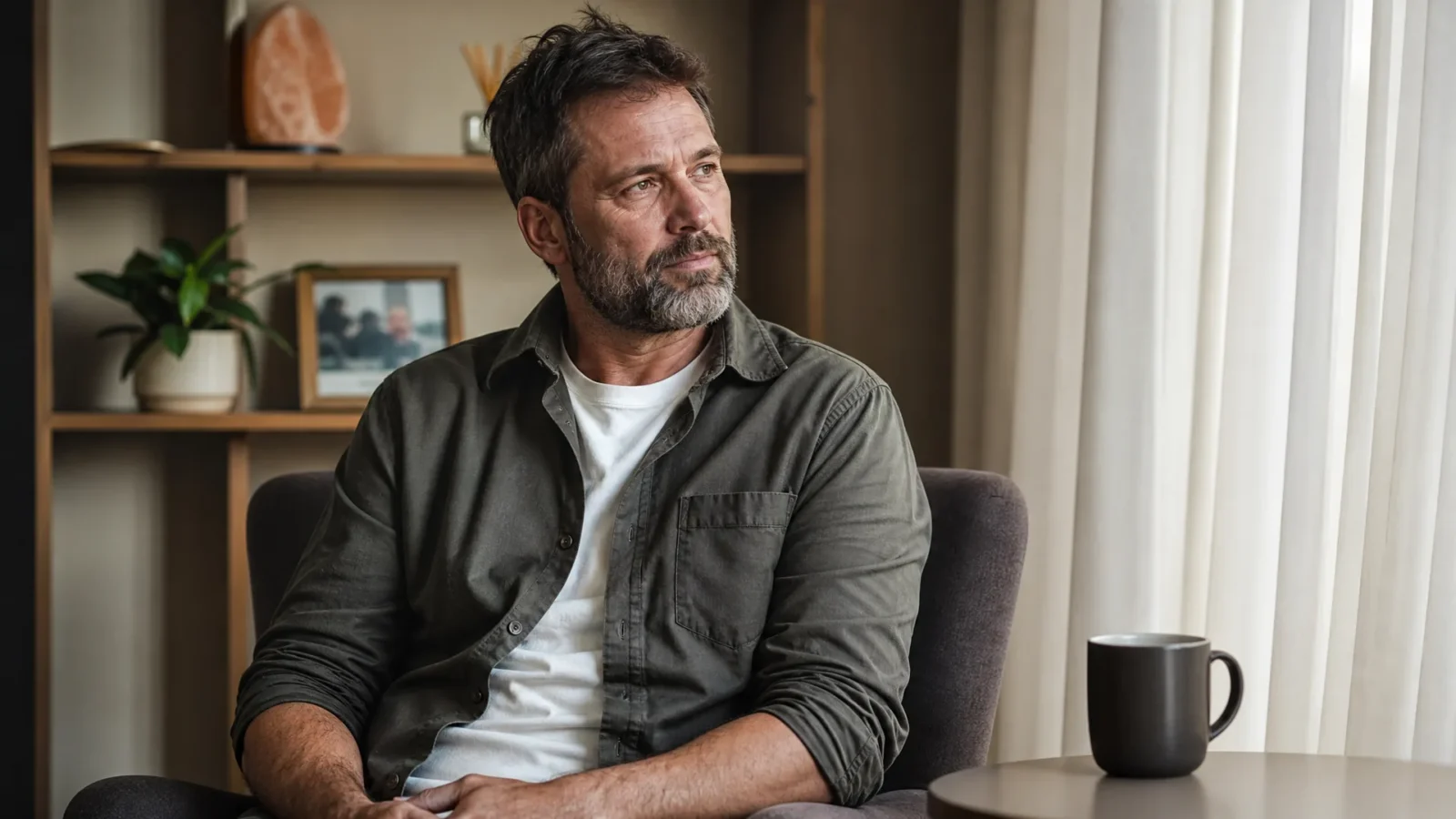
Men’s Mental Health Support Australia 2026: A Guide
If you’re a man in Australia who’s quietly carrying more than you’re letting on, you’re not alone, and you’re not broken. Finding men’s mental health support Australia 2026 is easier than it’s ever been, but knowing where to start still stops a lot of men cold. This is a plain-language overview of what’s actually available, how it works, and how to take a first step without it feeling like a big deal.
Why Men’s Mental Health Still Needs Talking About in 2026
There’s been real progress. More men are talking about mental health in workplaces, in sport, and in public life. Awareness campaigns have shifted the conversation. But awareness and action aren’t the same thing, and the gap between the two is still wide for many Australian men.
Men in Australia have historically sought professional mental health support at far lower rates than women. The Australian Institute of Health and Welfare and the ABS National Study of Mental Health and Wellbeing have both documented this pattern over many years. National campaigns, including Beyond Blue and MensLine Australia’s ongoing efforts, have been working to change it. The needle is moving. Slowly.
The gap between struggling and seeking help
Most men I speak with didn’t wake up one day and decide to get help. They white-knuckled it for months, sometimes years, before picking up the phone or sending an email. The reasons are familiar: it feels weak, it feels self-indulgent, or they’re not sure their problems are “bad enough” to warrant support.
That thinking keeps a lot of men stuck.
Struggling doesn’t have to look like crisis. It can look like:
- Snapping at the people you care about
- Lying awake running the same thoughts in circles
- Feeling flat, directionless, or like you’ve lost your footing
- Not knowing who you are outside of a relationship or a role you’ve lost
If any of that sounds familiar, this guide is for you.
Mental Health Resources for Men in Australia: What’s Available
Access to mental health resources men Australia has broadened significantly over the past several years, particularly since telehealth became mainstream following 2020. Here’s a practical overview of where men can turn.
National services and crisis lines
These are free, well-resourced, and available right now:
- Lifeline, 13 11 14: Australia’s national crisis line, available 24/7 by phone and online chat. If you’re in acute distress, this is the first call to make.
- Beyond Blue, 1300 22 4636: Broad mental health support, information, and referral. Beyond Blue’s content specifically for men, sometimes called ‘Man Therapy’, addresses the barriers men face in seeking help.
- MensLine Australia, 1300 78 99 78: A 24/7 telephone and online counselling service built specifically for men. It’s designed as a low-barrier entry point, useful if you’re not ready for ongoing therapy and just want to talk something through.
- Head to Health: A federal government digital gateway that helps Australians find mental health services, including telehealth options.
For men in regional or rural areas, these national lines and digital services matter enormously. You don’t need to be in a capital city to access good support.
Community and peer-support options
Beyond crisis lines, peer-led and community organisations offer a different kind of support, one grounded in shared experience rather than clinical frameworks:
- MATES in Construction and FIFO Mental Health programs target male-dominated industries with above-average mental health risks.
- The Men’s Table and similar community groups provide regular, structured connection, a space for men to talk honestly without it being therapy.
- GP mental health care plans remain one of the most accessible clinical pathways, a GP can refer you for Medicare-subsidised sessions with a psychologist or registered counsellor.
Online Counselling Across Australia: How It Works and Who It Suits
One shift that’s genuinely changed access to australia men’s mental health services is the normalisation of online sessions. What started as a necessity has become a preferred format for many men, and for good reason.
What to expect from an online session
An online counselling session typically runs 50 to 60 minutes via a secure video platform, Zoom, a practice management tool like Halaxy, or similar. You join from wherever you are: your car, a spare room, your lunch break.
There’s no waiting room. No one you know is going to see you walk into an office. For men who feel exposed or uncertain about the whole idea of counselling, that matters.
The session itself isn’t dramatically different from face-to-face. You talk. Your counsellor listens without judgment. You work through what’s going on, whether that’s a relationship breakdown, work stress, grief, anger, or a general sense that something’s off. A good counsellor will follow your lead, not push you toward a script.
Is online counselling as effective as face-to-face?
Research published in peer-reviewed journals consistently finds that for most presentations, including depression, anxiety, and relationship difficulties, online therapy produces outcomes comparable to in-person work. The American Psychological Association has acknowledged telepsychology as an established modality. In Australia, the psychological and counselling bodies have updated their practice guidelines accordingly.
For men who are time-poor, geographically isolated, or simply more comfortable in their own space, online counselling often works better in practice, because they actually show up and engage, rather than cancelling out of awkwardness or inconvenience.
Men’s Wellbeing Support in 2026: Separation, Identity, and Life Transitions
A lot of the men I work with aren’t in crisis in the clinical sense. They’re in transition, and they’re not sure who they are on the other side of it.
When life changes shake your sense of self
Separation and divorce are among the most common reasons men reach out for men’s wellbeing support 2026. And in my experience, both as a practitioner and as someone who has been through relationship breakdown myself, the hardest part isn’t always the practical upheaval. It’s the identity question underneath it.
Men often describe a version of this: I don’t know who I am without this relationship. Without this role. Without this version of my life.
That’s not weakness. That’s a completely human response to losing something that structured your sense of self. But it’s the kind of thing that’s hard to work through alone, and it doesn’t tend to resolve itself by staying busy.
Other life transitions men commonly seek support for include:
- Career loss or change, especially when work has been central to identity
- Fatherhood and the adjustment it demands
- Grief and loss, including anticipatory grief around ageing parents
- A general sense of stagnation or “is this it?”
I draw on my own experience of relationship breakdown, identity loss, and rebuilding in the work I do with clients. That’s not to make sessions about me, it’s to bring genuine understanding, not just theory, to what men are navigating.
Taking the First Step: Where to Get Help for Men’s Mental Health
Where to get help men mental health is a question a lot of men quietly Google at 11pm, then close the tab. If that’s you, here’s the most useful thing I can offer: the first step doesn’t have to be a big commitment.
For immediate or crisis support, call Lifeline on 13 11 14 or MensLine Australia on 1300 78 99 78, both are free, confidential, and available tonight.
For ongoing support, a GP mental health care plan is a practical starting point, your GP can assess what kind of support suits you and organise Medicare rebates for sessions.
If you’re considering individual counselling and want to know whether it’s the right fit before committing to anything, I offer a free 20-minute Connect Call. It’s a no-pressure conversation, just a chance to talk briefly about what’s going on, ask whatever questions you have, and get a feel for whether working together makes sense. No obligation. No sales pitch.
Men’s counselling differs from general mental health services in one meaningful way: when a practitioner works specifically with men, they understand the particular pressures men face around identity, stoicism, and asking for help. That context shapes how sessions unfold.
You don’t have to be in crisis to reach out. You just have to be at the point where you’re ready to try something different.
If that’s where you are, book a free 20-minute Connect Call, and let’s have a conversation.